
Why “Wait and See” Isn’t the Answer:
The Power of Early Intervention for Speech Delays
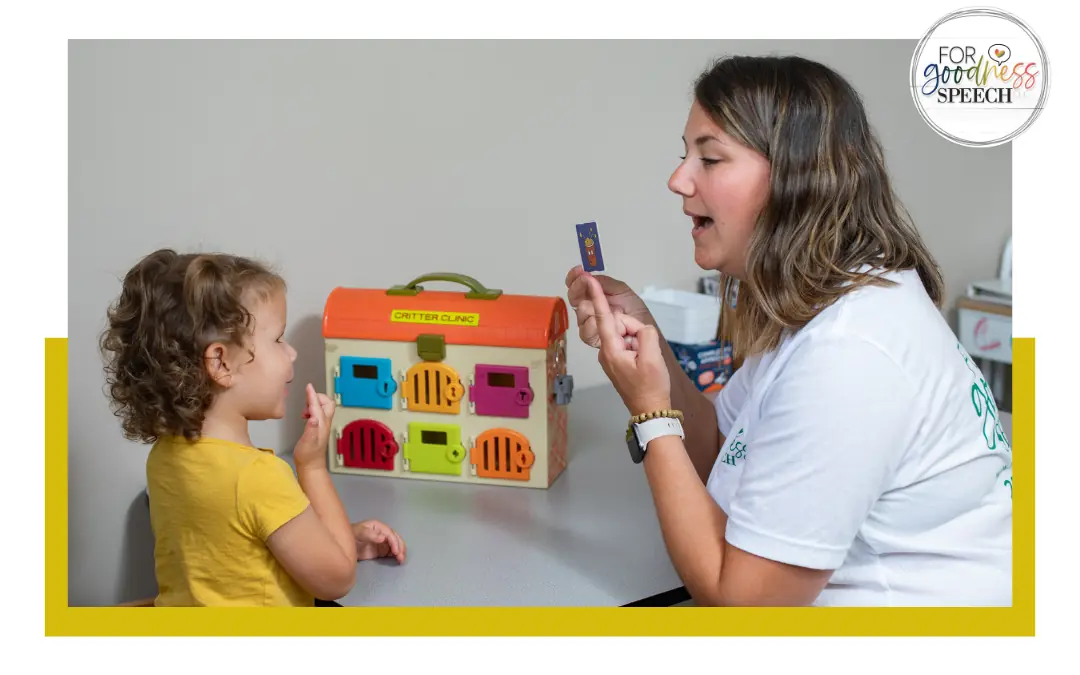
Why Early Intervention Matters
development, it’s common to hear advice from your pediatrician, Facebook Mom groups and well meaning family & friends like, “Let’s wait and see.” While it’s true that all children develop at their own pace, research shows that early intervention speech therapy makes a lasting difference. The “wait and see” approach is outdated — and can sometimes delay the help a child truly needs and the progress they can make.
Understanding Normal Speech Development
Every child is unique, but there are general speech development milestones that help us recognize when to seek support:
- By age 1: Uses a few single words and understands simple directions.
- By age 2: Combines words (“more juice,” “mommy go”) and has on average 100 words.
- By age 3: Forms short sentences and is understood most of the time by familiar listeners.
- By age 5: Children should be producing all of their speech sounds accurately.
If your child isn’t meeting these normal speech development benchmarks, it doesn’t necessarily mean something is wrong — but it’s worth reaching out for an evaluation.
The Benefits of Early Intervention Speech Therapy
Early intervention speech services help children strengthen communication skills at a crucial time in brain development. Addressing a speech delay early allows therapists to target the root of the issue before it affects confidence, learning to read, or social skills.
Children who receive early support:
- Build stronger language and communication foundations
- Develop confidence in expressing themselves
- Experience fewer frustrations when communicating with others
- Are better prepared for academic success
Early therapy gives children the tools they need to thrive — both now and in the future.
Why “Wait and See” Can Be Harmful
The brain is most flexible during the early years of life, which means that early intervention speech therapy can make faster, more lasting progress. Waiting too long can make it harder to correct patterns later on and only widens the gap in which they are behind. Children who start school with unresolved speech delays may face challenges with reading, writing, and social interactions.
Simply put — waiting can mean missing a key window for growth.
What Parents Can Do
If you’re concerned about your child’s speech, trust your instincts. You know your child best. Reaching out for an evaluation doesn’t mean committing to long-term therapy — it means getting clarity and peace of mind.
A qualified speech-language pathologist can assess whether your child’s skills align with typical speech development milestones and recommend next steps to support their growth.
The Bottom Line
Early intervention isn’t about labeling — it’s about empowering. The earlier we identify and address speech delays, the sooner children can build the skills they need to communicate with confidence.
Let’s leave “wait and see” behind and give our children the strong start they deserve.